Showing posts with label Plzeň 2015. Show all posts

Wednesday, March 23, 2016

Festival světla rozzářil Plzeň, na umění v ulicích přišly desítky tisíc lidí

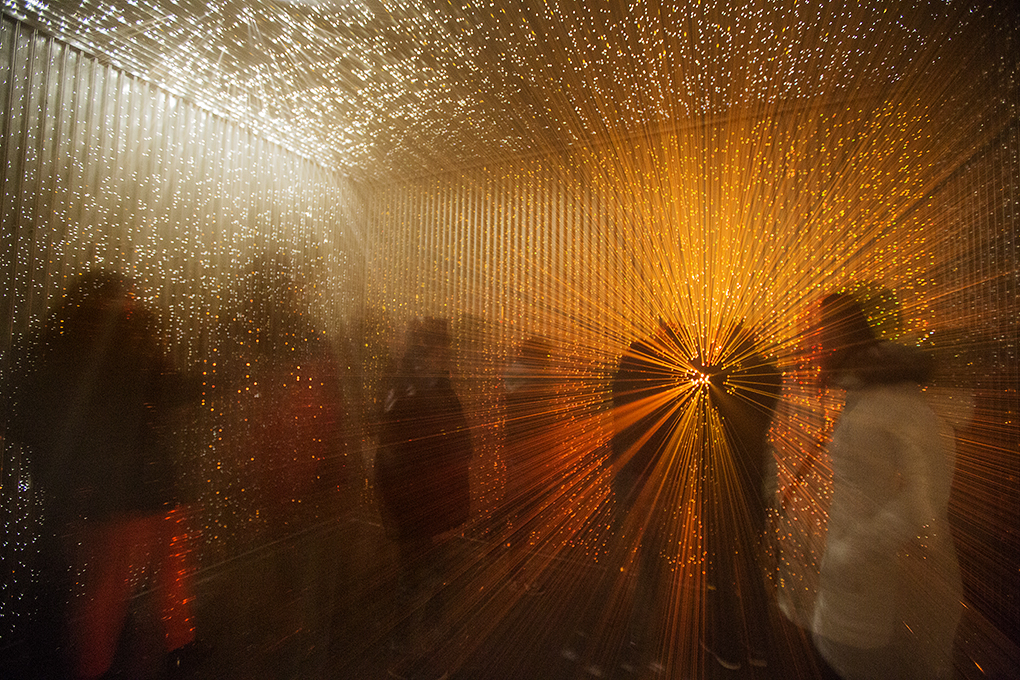
V pátek 18. a sobotu 19. března 2016 mohli Plzeňané a návštěvníci města prožít již druhý ročník Festivalu světla, tentokrát s podnázvem BLIK BLIK! V oba tyto dny mohli návštěvníci objevovat krásy netradičně nasvícených míst a neotřelých světelných instalací soustředěných do čtvrtí Bolevec a Lochotín.  

Celková trasa měřila přibližně 11km a ukázala nejen světelné objekty, nasvícené sochy a plastiky. Nově zrekonstruovaný Amfiteátr Lochotín se stal místem, kde se návštěvníci stávali spolutvůrci světelného digitálního ohňostroje. Sousedící park se proměnil v kouzelnou světelnou zahradu, kde svítící lžičky neuchvacovaly pouze dětské návštěvníky. Podobně laděná instalace byla k vidění u plaveckého bazénu na Lochotíně, kde 50 světelných běžců obíhalo přilehlý park. Nemálo dětí park obíhalo spolu s nimi.


Video mappingu na budovu Lékařské fakulty Univerzity Karlovy v Plzni přihlíželo téměř vždy několik stovek lidí, kteří si s oblibou show nejen fotili či nahrávali, ale dále sdíleli na internetu, za což Vám patří náš velký dík. Zvláště těm, kteří používali #blikblik2016! A stále jej můžete využívat a nahrávat fotky a videa co máte, rádi je přidáme do velkého alba z tohoto ročníku.

Větší fronty se pak čekaly u míst s omezenou kapacitou. Například světelná představení v Ateliéru Fotoklubu nebo na hvězdné nebe od Japonského umělce u Sokolovny Bolevec, kde nám autor díla umožnil přenést se do fantasie a zažít pocit cestování mezi hvězdami.

Věříme, že menší nepříjemnosti s čekáním na těchto místech rozptýlil mimo jiné i další doprovodný program pro Vás připravený na různých místech celé trasy a zimu jste zahnali například horkým svařeným vínem nebo čajem a k nim možná zakousli vynikající domácí buchty.
Jana Jankovská, stážistka v týmu Plzeň 2015
BUDEME SE NA VÁS TĚŠIT NA PŘÍŠTÍM ROČNÍKU FESTIVALU SVĚTLA!


Wednesday, December 17, 2014

Cobblestones in Pilsen: text.city

Město se skládá z písmen. Písmena tvoří slova a věty. Věty vytváří odstavce, kapitoly. Kapitoly romány. Romány světy. Svět země a města.
Vstávám za úsvitu; z očí si setřu praštěnou včerejší noc. Dlouhá, horká sprcha, káva a po ní jogurt. Takhle už jsem celé měsíce. Ráno je součástí dne, kdy můžu zapomenout na svoji cizí příslušnost, můžu být vlastně kdekoliv s obvyklou pohodlnou rutinou. První káva, první cigareta. Než si uvědomím, na jakém jsem místě, v jakém městě, rychle uteču k psaní. Ještě chvilku nechci vědět, kde jsem, nechci nové zážitky, nechci stýskání po domově, nechci touhu tady žít. Pokud mám pocit, že můžu být kdekoliv, jsem doma. Ale ne na dlouho.
Text města je těžké číst. Nikdy ho nemůžeš dočíst, jen pokračovat ve čtení. A opakované čtení je pokaždé jiné. Jako jemná vrstva prachu na mojí mysli, je tam již dlouho, ale objevím ho. Pomalu se usazuje v knoflíkových dírkách, ve vyhrnutých nohavicích kalhot. Nejde ho vymýt, pevně se drží. Lechtá mě v nose, znehodnocuje podrážky mých bot, překrucuje punčochy na nohách žen, mužům z toho svědí záda. Ruší tě, aby sis ho všiml, nedovolí, aby se nečetl.
Hlad mě vyžene na ulici; koupím si něco u řezníka, název si nepamatuju, ale podobá se to hotdogu. Šedivé nebe pohlcuje útržky slov, které lidé křičí v dopravním hluku. K obědu si objednám něco z menu, odvodím si, že to je určitě hlavní jídlo, ne polévka nebo nápoj, podle ceny. Naštěstí znám jména piv. Místní nelelkují, pijí pivo k obědu. Doma by lidé házeli zlé pohledy, které mě většinou zastaví, ale tady je stav milosrdenství. Všichni pijí pivo. Počítačový technik podvádějící svoji ženu a jeho vysokoškolská milenka u stolu přede mnou, dvě staré dámy u okna, barman na obědové přestávce u pultu, úředníci u velkého stolu, přátelé ve vedlejší místnosti, cizinci u toalet. Ústa se zaboří do pěny na pivě jako dětské lopatičky do pískoviště. Pak, jakoby něco říkali, slíznou pivní vous z horního rtu a utřou si ústa rukou.
Podívat se oknem ven znamená, že se stejným oknem nemůžu podívat dovnitř. Když jsem někde uvnitř, už nevidím, kde jsem. Čtení města je nejtěžší bytí ve městě. Hledám kontrasty, porovnávám je se svými zkušenostmi, navlékám je na šňůru, zkouším pro ně najít paralelu, zjistit, jestli přitáhnou pól magnetu, namočím v nich lakmusový papírek, nafouknu je, sním je, vyzvracím je. Umím přemýšlet jen v souvislostech.
V supermarketu jsou staré dámy, táhnoucí nákupní košíky, a povědomé matky všude, kam se otočím. Cítím nutkání sledovat, co nakupují. Sýr, pivo, kávu, masový nářez, chléb – podle nákupního košíku odhadnu počet dětí a vnoučat, jestli jsou rozvedené, jaké brambůrky má manžel nejradši, kolik vydělávají, kde bydlí. Žena dlouho otálí v uličce s vínem, vypadá to, že chce něco speciálního. Pomohu jí vybrat, i když nemluvíme stejným jazykem, zdá se, že je vděčná. U každé pokladny je fronta, ale všichni jsou trpěliví. Dříve zmíněná žena vloží víno do tašky a zaplatí. Cestou ven ho opět vytáhne, prohlíží si ho. Cítí se trapně, když jdu kolem.

Lidé jsou město. Mají v sobě řeku, katedrálu a všechno, co lze umístit na pohlednici. Ale také mají každodenní tvrdost, strach ze zimy, předprázdninový stres, únavu z osmihodinové směny. V rukou lidí prodávajících jmelí počítajících drobné, ve výfukových plynech aut, v psech na procházce, v prasklinách na chodníku, ve znuděných kopírovacích centrech, v sušícím se oblečení. V děcku, které za mnou dlouze zírá.
_______________________________________________________________

The city consists of letters. The letters form words and sentences. The sentences makes paragraphs, chapters. The chapters novels. The novels worlds. The world countries and cities.
I get up at dawn; wipe out the loopy yesterday night from my eyes. Long, scolding shower, coffee and yoghurt after it. I’ve been like this for weeks already. The morning is the part of the day when I can let go of my alienage, I could be anywhere with the usual comfort routine actually. First coffee, first cigarette. Before realizing the place, the city where I am, I quickly escape into writing. For a little longer I don’t want to know where I am, I don’t want new experiences, don’t want homesickness, don’t want the desire to live here. If I feel that I could be anywhere, then I’m home. But it’s not a long time.
The text of the city is difficult to read. You can’t ever finish reading it, just keep reading. And re-reading is different every time. As a delicate layer of dust on my mind, already there for a long time by I discover it. Little by little clinging in my buttonholes, in the rolled up legs of my trousers. Can’t be washed out, clings strongly. It tickles my nose hairs, debases the sole of my shoes, twists the stockings on the legs of women, it makes men’s back to itch. Disturbs you to be noticed, doesn’t allow not reading it.
Hungriness drives me out on the street; I buy something at the butchers which name I can’t remember but it’s like a hotdog. The grey sky absorbs the fragments of words the people shout in the noise of transport. At lunch I order by pointing at something on the menu, deducing what is a main dish for sure, not a soup or drink, by the price. Fortunately I know the name of the beers. Locals don’t fiddle around, they drink beer at lunch. At home people would give a dirty look, only that holds me back usually, but here it’s a state of grace. Everybody drinks beer. The computer engineer cheating on his wife and his undergrad lover at the table in front of me, the two old ladies by the window, the bartender in his lunch break by the counter, the officers by the great table, the friends in the other room, the foreigners next to the toilet. Mouths dig in the head on beer like the shovels of the kids in the sandpit. Then like saying something, they bite the beer-mustache off their upper lips and wipe their mouths with their hands.
Looking out of a window means that I can’t look in at the same window. If I’m inside somewhere, I don’t see where I am anymore. Reading the city is the most difficult being in the city. I look for contrasts, compare it with my experiences, thread it on a line, trying to find a parallel for it, see if it attracts a pole of a magnet, dunk a litmus paper in it, blow it up, eat it, throw it up. I can only think in relations.
In the supermarket there are old ladies dragging shopping carts and familiar mothers wherever I turn. I feel an urge to observe what they buy. Cheese, beer, coffee, cold cuts, bread – I can tell from the shopping cart the number of their kids and grandchildren, if they’re divorced, what the favorite crisp of the husband is, how much money they make, where they live. A woman lingers long in the wine ail, looks like she wants something special. I help her choose although we don’t speak a common language, she seems grateful. There are queues at every counter, but everybody is patient. The woman mentioned earlier puts the wine in her bag and pays. At the way out she takes it out again, looking at it. She gets embarrassed when I pass her.
The people are the city. They have the river, the cathedral and everything that can be placed on a postcard inside of them. But they also have the everyday’s hardness, the fear of the winter, the pre-holiday stress, the tiredness of the eight hour shifts. In the hands of the people selling mistletoe counting change, in the exhaust gases of cars, in the dogs on a walk, in the cracks of the pavement, in the bored photocopy salons, in the clothes hung to dry. In the kid protractedly staring after me.

Cobblestones in Pilsen vol. 12: Drain cover

Any road we’re walking on will eventually lead us to a drain cover. This is like law. The drain cover lets us leave behind the cobblestones we’ve walked past, it may even let us forget about them for a moment. Then new cobblestones will come, but they will be nothing like the old ones. When we think back, these drain covers will be the only things we can put names to. I go slower as I pass this drain cover. I’m tying up my laces, trip over, stare at shop windows, crash into a lamppost, whatever. Cobblestones, the pixels of the city, will carry on stirring the road.
  • Our first WRITER-IN-RESIDENCE Mihály Etlinger (*1990) is a very talented young Hungarian writer who came here for one month thanks to our partner Pécs Writers' Program. He is going to share his thoughts with you via social media networks. "This diary" will be published afterwords in a special online blog.

Cobblestones in Pilsen vol. 11: Compassion

The angel second from the right is desperate for a cuddle. She doesn’t care, if her hair is messy, even though she spent hours in front of the mirror to make sure it looks as blowsy as you can get whilst surfing. When they strike her hair, she half closes her eyes and shivers. But this only happens if someone feels jealous about the other one mollycoddled.
  • Our first WRITER-IN-RESIDENCE Mihály Etlinger (*1990) is a very talented young Hungarian writer who came here for one month thanks to our partner Pécs Writers' Program. He is going to share his thoughts with you via social media networks. "This diary" will be published afterwords in a special online blog.

Tuesday, December 9, 2014

Cobblestones in Pilsen: Přijď zítra

Přijď zítra


Kávovar kýchá. Pořád, nezastaví se ani na minutu. Ten zvuk připomíná chrápání ledního medvěda, který nemá manželku, co by do něj strčila, zmáčkla mu nos nebo mu jen jemně pohladila hruď. Snažím se to neposlouchat. Vybavuji si, že včera večer na tom místě jsem pil poslední rundy piva, byl tam večírek. Jen přítelkyně dýdžeje se osamoceně kroutila před reproduktory, bez jakýchkoli zábran. 

Monday, December 8, 2014

Cobblestones in Pilsen vol. 10: The sky

If it wasn’t for the only sudden sunlight in three weeks sieving through the clouds, I would tend to think the skies are eternally grey here. But it isn’t the kind of cold grey, it’s a rather calm, self-conscious, conservative greyness. Steadiness stops time, paused time allows you to take advantage of it. The brochures depicting the city were all made in the summer. That must be a completely different city.

  • Our first WRITER-IN-RESIDENCE Mihály Etlinger (*1990) is a very talented young Hungarian writer who came here for one month thanks to our partner Pécs Writers' Program. He is going to share his thoughts with you via social media networks. "This diary" will be published afterwords in a special online blog.

Cobblestones in Pilsen vol. 9: In through the out door

I want to pierce a hole on the city. Destroy its walls, tear its skin to get to the heart of it. And then I will be watching from the inside what is going on in the outskirts of the city. But I am yet to get inside, I'm like a cat, who's been shut out into the cold, scraping the door to be allowed back in.​


  • Our first WRITER-IN-RESIDENCE Mihály Etlinger (*1990) is a very talented young Hungarian writer who came here for one month thanks to our partner Pécs Writers' Program. He is going to share his thoughts with you via social media networks. "This diary" will be published afterwords in a special online blog.

Thursday, December 4, 2014

Cobblestones in Pilsen vol. 8: Tea for one

When I look at the ground I see myself in full. Like pigeons snatching up breadcrumbs from the road with ravenous apathy. Then I make a tea, scroll through the news on the net to see all the bad things that happened today. I rather don't look down. It's not good to be visible. On the contrary, going home and making a tea is good. Like a football match ending in a draw.

  • Our first WRITER-IN-RESIDENCE Mihály Etlinger (*1990) is a very talented young Hungarian writer who came here for one month thanks to our partner Pécs Writers' Program. He is going to share his thoughts with you via social media networks. "This diary" will be published afterwords in a special online blog.

Tuesday, December 2, 2014

Cobblestones in Pilsen vol. 7: Mirror

A mirror is there to show you the face you never had and never will have. Its distortion gives you the chance to regard yourself vainly. To look at a non-existing portrait.

  • Our first WRITER-IN-RESIDENCE Mihály Etlinger (*1990) is a very talented young Hungarian writer who came here for one month thanks to our partner Pécs Writers' Program. He is going to share his thoughts with you via social media networks. "This diary" will be published afterwords in a special online blo

Monday, December 1, 2014

Mihály Etlinger: Spisovatel v zrcadle

Spisovatel se střídavě díval do mapy a na město. Nemyslel na to, kde asi je, ale bál se dívat do mapy a v těch vteřinách nevidět město, které měl vidět. Jako když turisté všechno vidí jen přes hledáček svého foťáku. Bylo mu trapně. Zastrčil si mapu do zadní kapsy, típl cigaretu a podíval se na kostelní hodiny. Bylo tam vždycky poledne nebo půlnoc, ale pokaždé se musel podívat. Je to marný.

Cobblestones in Pilsen vol. 6: Consolation

There is something weirdly satisfying in coming across this picture in the town where Karel Gott was born. It looks like the cow cries out of sadness. He should play Lady Carneval to cheer himself up. He'd be smiling at the part where the song goes "salala" and he'd be laughing by the end. It surely is boring but why change if it has worked before? What he would really want is to dance with Karel and the girls in the video, like a high-earning guest performer.

  • Our first WRITER-IN-RESIDENCE Mihály Etlinger (*1990) is a very talented young Hungarian writer who came here for one month thanks to our partner Pécs Writers' Program. He is going to share his thoughts with you via social media networks. "This diary" will be published afterwords in a special online blog.

Wednesday, November 26, 2014

Cobblestones in Pilsen vol. 5: Urban legend

Just another Hungarian urban legend. They were walking a brand new, tiny Yorkshire terrier along a riverbank. Evening lights, quiet splashes and gurgles, peace. Suddenly an owl struck down, seized the dog with its leash, and flew off. Walking little dogs next to riverbanks is not recommended since. I do hope Czech owls are kinder and have better ethics.

  • Our first WRITER-IN-RESIDENCE Mihály Etlinger (*1990) is a very talented young Hungarian writer who came here for one month thanks to our partner Pécs Writers' Program. He is going to share his thoughts with you via social media networks. "This diary" will be published afterwords in a special online blog.

Monday, November 24, 2014

Cobblestones in Pilsen vol. 4. The city on Sunday

On Sundays the houses dress up and look at themselves in the shop windows. On Sundays construction sites are laying idle. Potholes in the road are yawning and the piles of soil are lying low as if they were caught doing something. On Sundays even bulldozers are friendly. On Sundays I need to call my mother to calm her down. On Sundays I video chat with my fiancée in a low voice.

  • Our first WRITER-IN-RESIDENCE Mihály Etlinger (*1990) is a very talented young Hungarian writer who came here for one month thanks to our partner Pécs Writers' Program. He is going to share his thoughts with you via social media networks. "This diary" will be published afterwords in a special online blog.

Saturday, November 22, 2014

Cobblestones in Pilsen vol.3: Advent

Hrabal said: „The most beautiful thing about being drunk is not the elation, not getting high, not the hoot and the holler and the ideas that come, but getting drunk's most valuable asset is the day after, the hangover, the guilty conscience, turmoil…” And he’s right. When I am hangover I am the only ornament hanging near the bottom of this spiky pine tree. And as Christmas looms nearer, more ornaments will appear together with many more hangovers. We use hangovers to soothe our guilty conscience and ease the turmoil inside us. Everything will be much better.


  • Our first WRITER-IN-RESIDENCE Mihály Etlinger (*1990) is a very talented young Hungarian writer who came here for one month thanks to our partner Pécs Writers' Program. He is going to share his thoughts with you via social media networks. "This diary" will be published afterwords in a special online blog.

Thursday, November 20, 2014

Cobblestones in Pilsen vol. 2: And I like it

Everyone envies me back home. My friends could have killed me with their looks, my parents shook their heads, my boss scowled, my fiancée sighed like a wise man, when I told them I am coming to Pilsen. None of them have been here before, beer is the only thing they know about this place. „Bring home as much as you can and we’ll forgive you.” I took this snap at the puppet museum. I feel myself like this little bald guy. And I like it.

  • Our first WRITER-IN-RESIDENCE Mihály Etlinger (*1990) is a very talented young Hungarian writer who came here for one month thanks to our partner Pécs Writers' Program. He is going to share his thoughts with you via social media networks. "This diary" will be published afterwords in a special online blog.

Cobblestones in Pilsen: The first lunch

Like the everyday tourist. I ordered something under 'old Czech foods', it seemed like pork and was indeed delicious. The waitress brought the bill and my last beer (instead of dessert) with a big smile. Since then I found a zoo on the city map. It was like a little savanna sunshine piercing through the grey Czech autumn-sky.

  • Our first WRITER-IN-RESIDENCE Mihály Etlinger (*1990) is a very talented young Hungarian writer who came here for one month thanks to our partner Pécs Writers' Program. He is going to share his thoughts with you via social media networks. "This diary" will be published afterwords in a special online blog.

Friday, October 24, 2014

Forum 2000 v Plzni – Nespokojená demokracie: čtvrt století od železné opony a Tchien-an-menu

Kultura jako hlas protestu
15. října v Plzni (KD Peklo, Nebe coffee & bar)

Akci zahájil v 18:15 hodin moderátor akce Dalibor Hapl z organizace Člověk v tísni. Představil program večera, věnovaný promítání dokumentu pojednávajícím o lidských právech na Kubě a hip-hopu jako prostředku protestu a následovně diskuzi s uznávaným rapperem pod jménem BONUS o významu rapu a hip-hopu ve svobodné zemi. Dále moderátor představil pořadatele akce – Plzeň 2015 – Evropské hlavní město kultury a Fórum 2000, které do Plzně zavítalo již potřetí. Hosty večera byl Martin Hůla (Bonus) a Jakub Doubrava.


Následovalo promítání filmu Cuba libre, film trval přibližně 60 minut.
Po promítání moderátor vyzval hosty k zahájení debaty. Položil jim několik dotazů, nad nimiž se rozvinula diskuze, do které se zapojilo i publikum.


V úvodu oba hosté debatovali o vlastních prožitcích a dojmech z promítaného filmu. Bonus hovořil o složitosti situace na Kubě, kde popularita dané kapely souvisí přímo s psaním textů. Rappeři zpravidla touží vždy po něčem, co je pro ně momentálně nedostupné. Když pak dostanou, co chtějí, touží opět po něčem novém. Přirovnal situaci na Kubě k situaci v České republice před 25 lety. Mluvil o kubánském spisovateli a jeho názoru, že pokud budou moci dělat svou hudbu legálně, lidi to přestane zajímat.


Jakub Doubrava hovořil o důležitosti upozorňovat na dění na Kubě, i přes velkou geografickou vzdálenost nemůžeme být k tomuto tématu lhostejní. Mluvil o rizicích, která jsou na Kubě spojena se svobodou projevu. Naopak ve svobodných státech je podle něj situace složitější. Každý si může dělat, co chce. Po revoluci byli lidé euforičtí, ale např. Karel Kryl byl už tenkrát skeptický, mluvil o tom, co nastane. Dnes se v České republice potýkáme s lhostejností. Je důležité pojmenovávat věci a problémy. Mluvil také o provokaci, kterou počin kubánských rapperů je.


Další dotaz směřoval k úloze rappu 25 let od revoluce v České republice. Bonus zdůraznil nutnost hovořit o tomto tématu v širším kontextu. Rapp vznikal jako sociální záležitost, do jisté míry podprahová. Pro lidi z ulice to bylo chytlavé, rapp mohl dělat každý. Nyní z rappu tento faktor vymizel, chytil se ho byznys, už to není kultura, ale zboží. Spousta lidí, kteří se tváří jako více umělečtí, často předvádí jen určitou pózu. Devizou tohoto žánru je srozumitelnost, dá se toho hodně říct a je tomu dobře rozumět. Český rapp má zvláštní paralelu s country. Je to stejně nereálná a absurdní věc (akorát je to teď moderní).


Jakub Doubrava na tuto myšlenku navázal. Dle něho je základ rappu v tom, že člověk má určitou zkušenost, dokáže pojmenovat věci a předat své myšlenky dalším lidem (protest song). Uvedl také přirovnání k Francoisovi Villonovi – rebelovi, který dle něj poukazoval na problémy své doby. Významný kritériem pro to, aby lidé poslouchali rapp je v tom, že autor musí být originální, musí využívat vlastní formou a jazyk. Pokud člověk rappuje o svých vlastních problémech a stylově se oblékne, nemá to žádnou hloubku.


Podle Bonuse je Rapp žánr s jasně vymezenými pravidly, je konzervativní. Není to tak odvazové, jak si dost lidí myslí. Většina lidí poslouchajících hiphop není moc tolerantní k odchylkám od standardu. To, co se děje v hiphopu momentálně, nikdo v ČR bohužel příliš nereflektuje.
Dále probíhala diskuze na další témata, jako například romská komunita v ČR či úloha rappu v současné situaci v ČR a jeho budoucnost.

Tuesday, May 6, 2014

From France to the Czech Republic

This is after a twelve hours trip through France, Belgium, Germany and the Czech Republic, that we ( two Czech friends of mine and I ) arrived at 10 pm.  Before my stay, I looked for some information about the city where I would live in, and I could already see that I was well in Plzeň because I recognized the gigantic and marvellous Cathedral of St. Bartholomew which is in the middle of the main square.

Several bars and restaurants were open, so I decided to savour the most known product of Plzeň. This is, of course, the Pilsen Urquell beer which is still nowadays brewed in Plzeň. The friendly barman could speak in English, so it was easy to command something, moreover he advised me which beer I should drink for the first time. There, some very welcoming people had interest for me, I like to think that was because of my accent or my friendly face, but who knows ?


I discussed with a couple which loves to travel all around the world, they had already visited some parts of France and they suggested to drive me home. What a good surprise ! I knew someone for one hour and we have already built a friendship. My adventure in Plzeň had just started.


By going through the city, in addition to the stunning Gothic and New Renaissance style houses and buildings, I can notice some colourful advertisings on walls, trams, buses and boards. There are two major events which are Plzeň 2015 and Majales. Plzeň will be one of the European Culture Capital the next year but some events have already begun. You can see what will happen every day on the different social networks and apps. If you don't have means to know it at home, there is always all information in trams about Plzeň 2015. I find it quite good, you can always be in the know about what will happen in town.

Thanks to strolls in narrow streets, you can find an unexpected event, such as a concert of Michal Röhrich and his three bands on Saturday just after the well known competition Porta. Or you can meet a group of foreigners with a tourist guide at 9 pm and to get on well with them or to face a ray of sunlight setting on the top of Plzeň.


Then, I cannot speak about the Czech Republic and in particular Plzeň without saying how surprised I was when I saw prices in restaurants, shops and supermarkets. One Euro correspond from 25 to 27 Czech Koruna, so the second day, I went to a restaurant with a friend, and we paid 15 Euros for both of us. That is the normal price for one person in France or Germany.

I'm so excited to see where the next step will take me.

Matthias